
Mold in the North End and Payne-Phalen
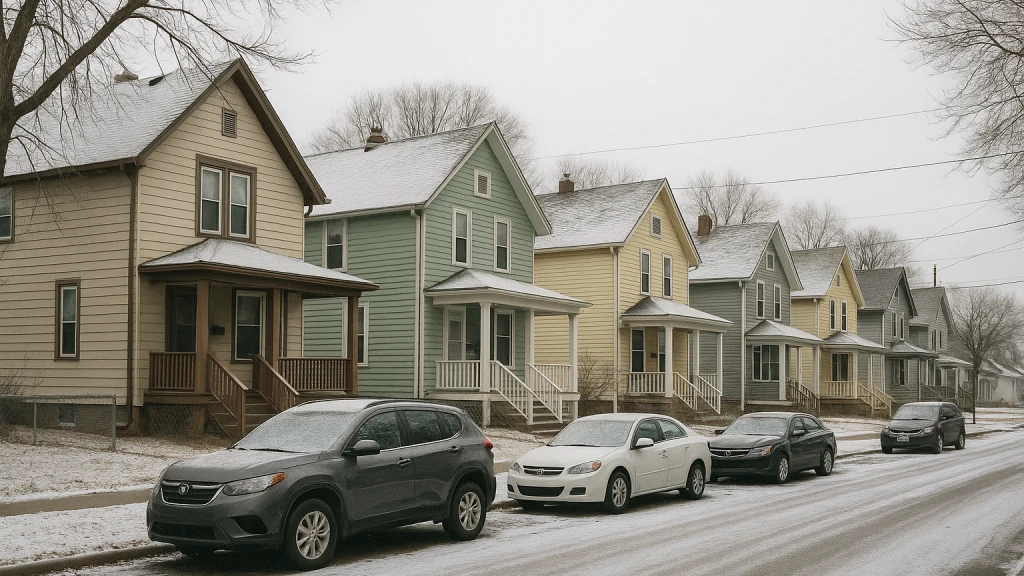
The North End and Payne-Phalen make up a big, dense, historically working-class swath of Saint Paul's East and North sides, spanning the 55101, 55117, 55130, and 55106 ZIPs around Rice Street, Payne Avenue, and Lake Phalen. The housing is mostly older — modest single-family homes, duplexes, and small multi-units built across the early 20th century — packed onto compact lots. That combination of age, density, and finished-out basements is what shapes the area's mold profile, and the proximity to Lake Phalen adds a high-water-table factor on top of it.
Finished basements are central here. As families needed more space, basements across the North End and Payne-Phalen got finished into bedrooms, family rooms, and rental units — often over old block or stone foundations that were never meant for it. Those finishes trap groundwater and humidity against the foundation, and the resulting mold hides behind paneling and drywall until a smell or a health complaint surfaces it. This is the single most common reason we get calls from these neighborhoods, and it's covered on our basement mold removal page.
Lake Phalen and the water table
The blocks closer to Lake Phalen and the lower-lying pockets of Payne-Phalen sit on a high water table, and high groundwater is a dependable mold driver. Hydrostatic pressure pushes moisture up through slabs and in through foundation walls, especially during spring thaw and wet summer stretches, and a finished basement near the lake can develop seepage and musty odors even with no visible leak. Sump pumps matter a great deal in these blocks, and a sump failure during a melt or storm is a frequent cause of the water-damage mold we help with. See our water damage and flood mold page for what to do.
Density, duplexes, and rentals
This is one of the denser parts of the city, with many duplexes, small apartment buildings, and rental homes. Shared walls and shared mechanicals mean a moisture problem in one unit can affect another, and tenants often notice mold before owners do. For landlords, getting ahead of a mold problem protects both the tenants' health and the building, and discreet, scheduled remediation keeps units rentable. Our commercial and rental property remediation page speaks to multi-unit owners, and we work with both homeowners and landlords across these neighborhoods.
Older homes, modern winters
The early-1900s homes here get the standard cold-climate winter problems — ice dams, attic condensation, and rim-joist frost — on roofs and attics that are often well past their prime. Deferred roof maintenance, common in any older working-class neighborhood, lets winter water into ceilings and walls where it grows mold. Catching and fixing those leaks early is far cheaper than the remediation and rebuild that follow if they're ignored, which is part of why our signs of mold guide focuses on catching problems early.
How we help North End and Payne-Phalen residents
Saint Paul Mold Remediation matches you, at no cost, with licensed and independent mold professionals who work the North End and Payne-Phalen and understand its older homes, finished basements, and lake-adjacent water table. You tell us what's happening; they inspect, find the source, and give you an honest written quote. We don't do the work and we don't charge you for the connection. Whether you own your home or rent it out, when you're ready, tell us about your property.