
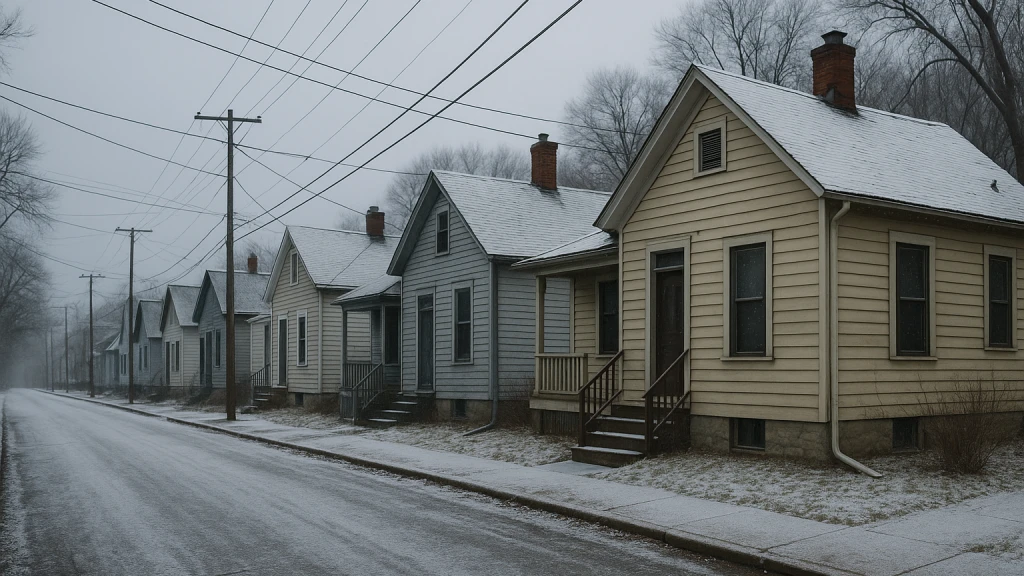
Mold in West Seventh's historic cottages
West Seventh — Fort Road — is one of Saint Paul's oldest neighborhoods, a long ribbon of historic worker cottages, row houses, and modest 19th-century homes running between downtown and the river bluff in the 55102 ZIP. The age of the housing is the whole story here. Many of these homes predate modern foundation and moisture-control practices entirely, which means stone or brick cellars, dirt or partial floors, and the kind of chronic dampness that comes with a building that's been standing for well over a century close to the Mississippi.
The original cellars are where most West Seventh mold problems live. A lot of these small old homes have low, stone-walled basements that were never meant to be more than root cellars and utility space. Some still have dirt or partial-dirt floors. They wick groundwater continuously, they stay cool and damp, and the moisture they release rises into the living space above through the stack effect. When an owner finishes one of these basements or stores belongings down there, mold is almost guaranteed without active moisture control. Our basement and cellar mold removal page and our crawl space page both speak to these old, damp, low spaces.
Riverside lots and the bluff
West Seventh runs close to the river bluff, and the blocks nearer the water deal with a higher water table and more groundwater pressure. Spring thaw and snowmelt coming off the higher ground, combined with the river's influence, can load these old foundations with water and overwhelm cellars that have no real drainage. Seepage at the base of stone walls and standing water on cellar floors after a melt or a storm are common, and both are reliable mold producers once the weather warms. Our water damage page covers what to do when a cellar takes on water.
Dated or missing moisture barriers
Because these homes are so old, they frequently lack the vapor barriers, drainage, and damp-proofing that newer construction takes for granted. A dirt-floor cellar with no vapor barrier releases enormous amounts of moisture into the house. A stone wall with no exterior damp-proofing wicks groundwater straight through. Often the single most effective mold fix in a West Seventh home isn't remediation at all — it's installing a proper vapor barrier and managing the cellar's moisture so the whole house dries out. A good inspector will tell you when that's the case, which is one reason we always start with inspection.
Small homes, tight budgets, honest advice
Many West Seventh homes are modest, and we know mold remediation can feel daunting on a tight budget. That's part of why we operate as an independent referral service: the pros we match you with are paid to solve the problem, not to upsell, and a good one will often tell you that a vapor barrier, a dehumidifier, and some grading work will do more than an expensive gut-and-rebuild. Our cost guide is written to help you understand where the money actually needs to go.
How we help West Seventh homeowners
Saint Paul Mold Remediation connects you, free of charge, with licensed and independent mold professionals who understand West Seventh's old cottages, stone cellars, and riverside moisture. You describe the problem; they inspect, find the source, and give you an honest written quote. We don't do the work and we don't charge you for the connection. When you're ready, tell us about your home and we'll match you with a trusted local pro.