
Why winter water becomes mold
Of all the ways a Saint Paul home gets wet, the winter ones surprise people the most. It seems backwards that the coldest, driest-feeling months would drive water into your attic and ceilings — but they do, reliably, through two related mechanisms: ice dams and attic condensation. Both put moisture into the upper structure of your house in the dead of winter, where it sits hidden until spring warmth lets the mold it fed bloom. Understanding how they work is the key to stopping them, because the fixes are the same building-science fixes that prevent both.
How an ice dam forms
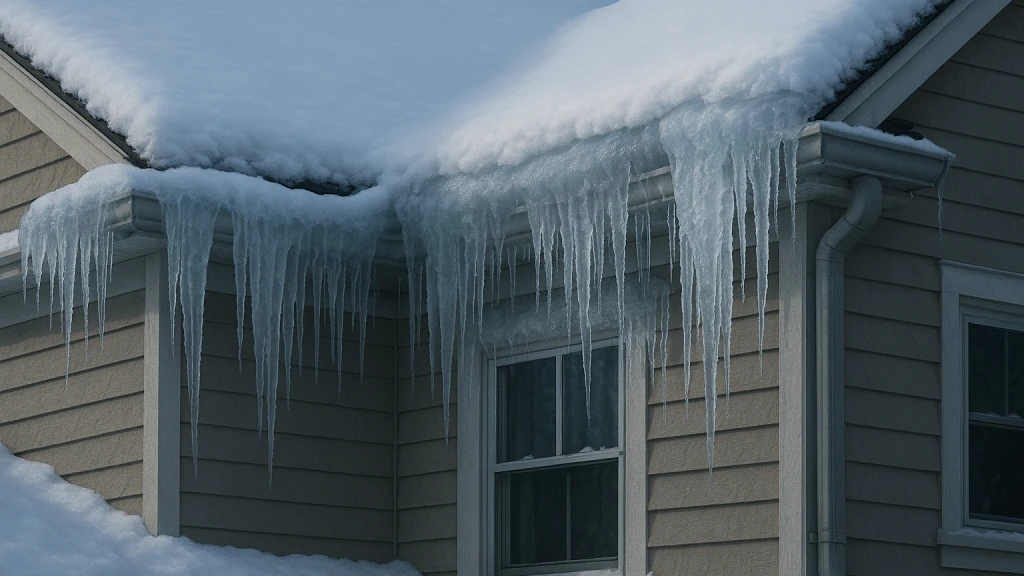
An ice dam is a ridge of ice that builds up at the edge of a roof and stops melting snow from draining off. The cause is uneven roof temperature. Heat escaping from your living space into the attic warms the roof deck, melting the underside of the snow on the upper roof. That meltwater runs down the roof until it reaches the eaves and gutters, which hang out over unheated space and stay below freezing — and there it refreezes, building a dam. As more snow melts above and refreezes at the edge, the dam grows, and water pools behind it. That pooled water, with nowhere to drain, works its way under the shingles and into the roof, the attic, the exterior walls, and the ceilings below.
How ice dams cause mold
The water from an ice dam doesn't just cause stains — it soaks into insulation, drywall, framing, and wall cavities, often without any dramatic leak. It saturates these materials and then, because it's winter, sits there cold and slow to dry. When spring arrives and the structure warms, that lingering moisture in dark, enclosed cavities is a perfect mold incubator. Homeowners often discover the mold months after the ice dam, when a musty smell or a stain appears on a top-floor ceiling. By then it's a remediation job. Our attic mold removal page covers cleaning up the result.
Attic frost and condensation
The second winter mechanism doesn't need snow at all. Warm, humid air from your living space — from showers, cooking, and daily life — leaks up into the cold attic through gaps around light fixtures, the attic hatch, plumbing penetrations, and especially bath fans that vent into the attic instead of outside. When that moist air hits the cold underside of the roof sheathing, it condenses, often freezing into a layer of frost. Every thaw, that frost melts and wets the wood, and over a winter of freeze-thaw cycles the roof deck grows mold. This is one of the most common attic mold causes we see in tightened-up Saint Paul homes.
The fix: keep the attic cold and dry
Here's the part that ties it together: both problems are solved by the same three things, because both come from heat and moisture escaping into the attic. First, air-sealing — sealing the gaps where warm, moist air leaks from the living space into the attic. Second, insulation — enough attic floor insulation to keep heat in the living space and out of the attic, so the roof stays uniformly cold and snow doesn't melt unevenly. Third, ventilation — soffit-to-ridge airflow that keeps the attic cold and carries away any moisture that does get in. Done together, these keep the roof cold enough to prevent ice dams and dry enough to prevent condensation. And critically, any bath or kitchen fan must vent all the way outside, never into the attic.
What to do if you already have damage
If you've had ice dams or you find frost or staining in your attic, act before the warm season turns lingering moisture into mold. Have the attic inspected, identify where the air and moisture are getting in, and correct the air-sealing, insulation, and ventilation so it doesn't recur — then remediate any mold that's already grown. Treating the mold without fixing the cause just guarantees you'll do it again next winter. Our signs of mold guide helps you spot attic trouble early. If you suspect winter moisture has led to mold, tell us about it and we'll connect you with a Saint Paul pro who handles both the remediation and the underlying ventilation fix.