
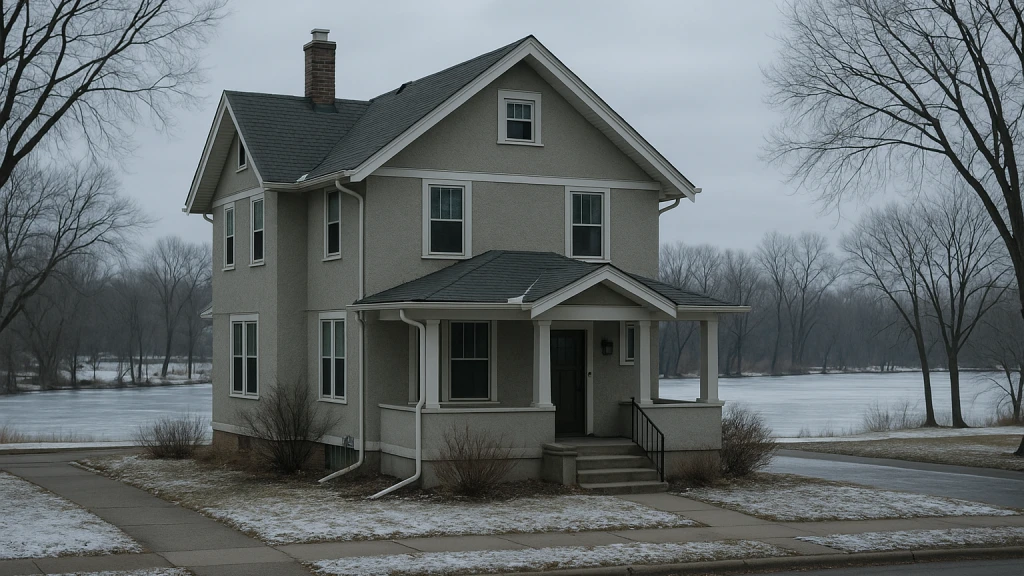
Mold near Como Lake's high water table
Como Park is defined by water — the lake, the wetlands around it, and the low-lying ground that comes with both. That setting is part of the neighborhood's charm, with the lake, the conservatory, and the zoo all close at hand, but it also means the water table runs high across much of the area, and high groundwater is one of the most reliable drivers of basement mold there is. Homes on the blocks nearest Como Lake and in the lower-lying pockets of the 55103 and 55117 ZIPs deal with hydrostatic pressure pushing moisture up through slabs and in through foundation walls, especially during spring thaw and wet stretches in summer.
Pair that water table with Como's older housing stock — a lot of these homes date to the early 1900s — and you get the conditions for chronic basement moisture. The original foundations weren't built to be dry living space, and yet many have been finished over the decades into rec rooms, bedrooms, and rental units. Those finishes trap groundwater against the foundation and hide the resulting mold until a smell or a health complaint brings it to light. This is the most common reason Como Park homeowners call us, and it's covered in depth on our basement mold removal page.
Sump pumps earn their keep here
In a high-water-table neighborhood like Como Park, the sump pump is often the single most important piece of equipment in the house, and a failed or undersized sump is a frequent cause of the water-damage mold we see. When a sump quits during a spring melt or a summer downpour, a finished basement can take on water in hours, and mold follows within a day or two if it isn't dried out fast. Our water damage and flood mold page covers what to do when that happens, and the first-48-hours guide walks through the immediate steps that decide whether you face a cleanup or a remediation.
Summer humidity and finished basements
Even without a leak, Como's humid summers load basement air with moisture. When that warm, damp July air meets cool foundation walls and slab, it condenses — on the concrete, behind paneling, inside closets and storage. Homeowners often mistake this for a leak because the symptoms are the same: a musty smell, damp spots, mold on stored belongings. The fix is usually a properly sized dehumidifier and some air-sealing rather than excavation, and a good inspector will tell you which problem you actually have. Our basement prevention guide covers the humidity side in detail.
Winter brings its own moisture
Como's older homes get the standard cold-climate winter problems too — ice dams on steep roofs, attic condensation in homes that have been tightened up, and rim-joist moisture where warm indoor air meets the cold band at the top of the foundation. A Como home can have a summer basement-humidity problem and a winter attic-frost problem in the same year, driven by completely different physics. That's why we always start with diagnosis rather than assumptions.
How we help Como Park homeowners
Saint Paul Mold Remediation matches you, at no cost, with licensed and independent mold professionals who work the Como Park area and understand its high water table and older homes. You tell us what's happening; they inspect, find the moisture source, and give you an honest written scope and quote. We don't do the work ourselves and we don't take a fee from you for the connection. To get a sense of cost before you call, see our cost guide or run the estimator. When you're ready, tell us about your home.