
Mold in Mac-Groveland's older homes
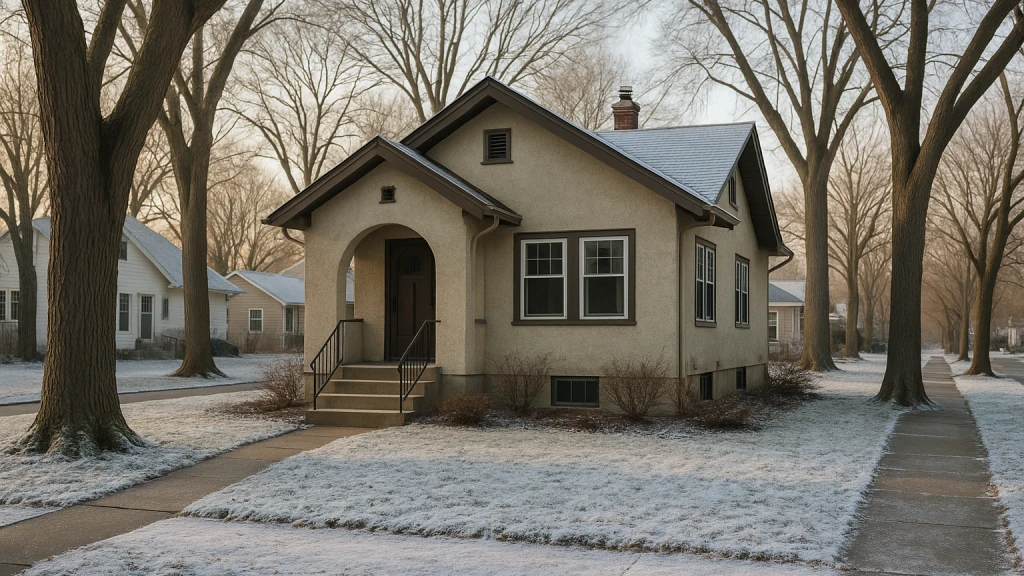
Macalester-Groveland is the kind of neighborhood people buy into for the houses themselves — the stucco bungalows, the brick four-squares, the Tudors and colonials along the streets between Summit and the river in the 55105 ZIP. They're wonderful homes, and they're also old, which means stone and block foundations, decades of remodeling layered on top of original construction, and the slow hidden leaks that come with aging plumbing and roofing. Mac-Groveland calls tend to come from owners who love their house and want a mold problem handled correctly, without tearing into more of it than necessary.
The original basements are the heart of it. Many Mac-Groveland homes have rubble-stone or early concrete-block foundations that were never built to be living space. The walls wick groundwater, the cove joint weeps after rain, and a basement that was always a little damp becomes a problem the moment someone finishes it into a family room or a rental unit. Add a high water table after spring thaw and you have the recipe for the seepage and musty smell that drive most of our basement remediation work in this part of the city.
When retrofit insulation backfires
Mac-Groveland homeowners are conscientious, and a lot of these houses have been insulated and air-sealed over the years to tame Minnesota heating bills. That's good for comfort, but retrofitting insulation into a century-old house can have side effects. Insulation packed into walls and attics without the right air and vapor control can trap moisture against cold sheathing, which is a recipe for hidden mold in wall cavities and on attic decking. We see this especially in homes where blown-in insulation went up without addressing the air leaks and bath-fan venting first. The fix isn't to rip the insulation out — it's to correct the moisture and ventilation so the assembly can dry.
Slow leaks in old systems
The other Mac-Groveland pattern is the slow, quiet leak. Old galvanized or cast-iron plumbing develops pinhole drips inside walls. A roof valley or a chimney flashing on an 80-year-old roof lets a little water in every storm. A radiator or boiler line seeps where nobody looks. None of these announce themselves; they just keep a hidden area damp long enough to grow mold, and the homeowner finds out from a smell or a stain months later. Diagnosing these takes someone who knows old houses, which is exactly the kind of inspector we match you with. Our inspection and testing page explains how the moisture source gets traced.
Winter in a Mac-Groveland house
These steep-roofed older homes are ice-dam magnets. Heat escaping into the attic melts snow, the meltwater refreezes at the cold eaves, and water backs up under the shingles and into the ceilings and walls below — then grows mold once spring warms things up. Attic frost is the cousin of the same problem: humid indoor air leaking into a cold attic, condensing on the sheathing, and feeding growth on the underside of the roof deck. Our ice dam and attic mold guide covers why this happens in homes exactly like Mac-Groveland's, and attic mold removal covers the fix.
How we help in Macalester-Groveland
We're a free referral service, not a remediation company. You describe what's going on in your home, and we match you with licensed, independent mold professionals who work Mac-Groveland and respect old houses — people who will diagnose the moisture, contain and remove the mold without gutting a room they don't need to, and give you an honest written quote. There's no cost to you for the match. If you want to ballpark the budget first, see our Saint Paul cost guide. When you're ready, tell us about your home and we'll connect you with a trusted local pro.