
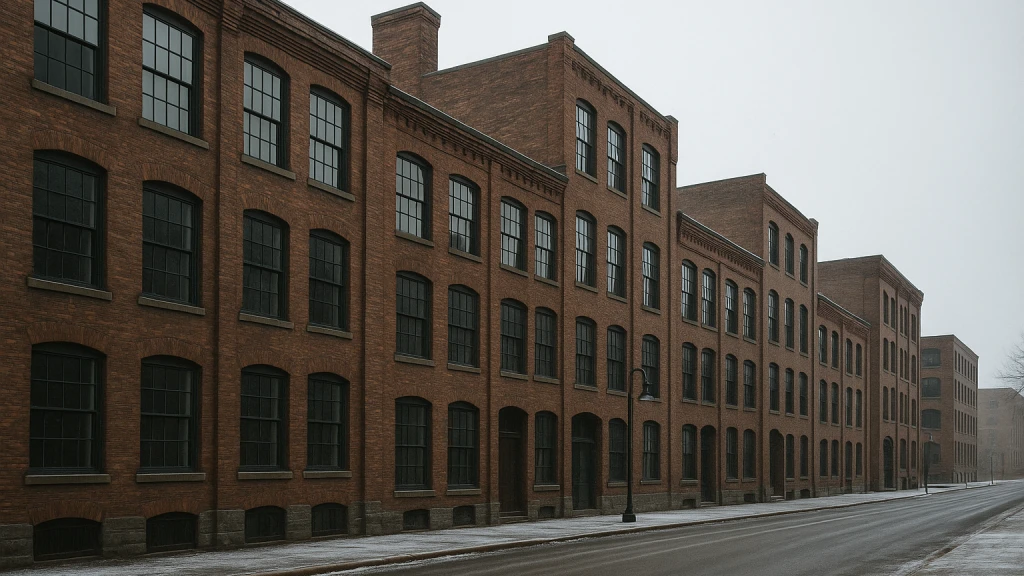
Mold in downtown Saint Paul's lofts and condos
Downtown Saint Paul — including the Lowertown loft district in the 55101 and 55102 ZIPs — is a different mold environment from the city's residential neighborhoods. Here the housing is condos, apartments, and lofts, much of it carved out of historic warehouses and commercial buildings. The mold drivers shift accordingly: instead of stone basements and groundwater, downtown problems revolve around flat roofs, shared walls and systems, building-wide HVAC, and the quirks of converting century-old industrial buildings into living space. Whether you own a loft, manage a building, or run a ground-floor business, the moisture issues downtown have their own character.
Flat and low-slope roofs are the first factor. Almost every downtown building has one, and flat roofs are far more prone to standing water and slow leaks than pitched residential roofs. A failure in a roof membrane, a clogged drain, or a flashing problem can feed water into the top-floor units and the building structure for a long time before anyone notices, and that hidden moisture grows mold in ceilings, walls, and the cavities of these big old buildings. Top-floor loft owners are the most exposed, but water travels, and a roof leak can show up several floors down.
Shared walls, shared systems
In a multi-unit building, you don't fully control your own moisture. A leak in the unit above, a plumbing failure in a shared wall, or a problem in a neighbor's space can all create mold in yours. Shared plumbing stacks, common walls, and interconnected structure mean a moisture problem is rarely contained to one unit. This is why downtown mold issues so often involve building management and multiple parties, and why coordinated, professional remediation matters. Our commercial remediation page addresses multi-unit and managed buildings.
Building-wide HVAC and humidity
Many downtown buildings run shared or building-wide HVAC, and these systems have an outsized influence on mold. If a system isn't controlling humidity well, or if there's moisture in the ductwork or air handlers, it can distribute damp conditions — and mold spores — throughout a building. Condensation around poorly insulated ducts, drain-pan problems in air handlers, and humidity that the system fails to manage all show up as mold in individual units. Diagnosing these requires looking at the building's systems, not just the unit, which our inspection partners are equipped to do.
Warehouse conversions and old envelopes
Lowertown's converted warehouses are wonderful spaces, but they were industrial buildings, and their conversion to residential use sometimes leaves moisture quirks — masonry walls that handle moisture differently than modern assemblies, original windows or skylights that leak, and insulation retrofitted into envelopes that weren't designed for it. Exposed brick and timber are part of the appeal, but they also mean the building breathes and moves moisture in ways a new condo wouldn't. Understanding the specific building matters.
How we help downtown residents and building owners
Saint Paul Mold Remediation is a free referral service that connects downtown loft and condo owners, renters, building managers, and businesses with licensed, independent mold professionals experienced in multi-unit and converted commercial buildings. You tell us what's happening; they inspect, identify the source — even when it crosses units or involves shared systems — and give you an honest written quote. We don't do the work and there's no cost to you for the match. When you're ready, tell us about your space and we'll get you connected.