
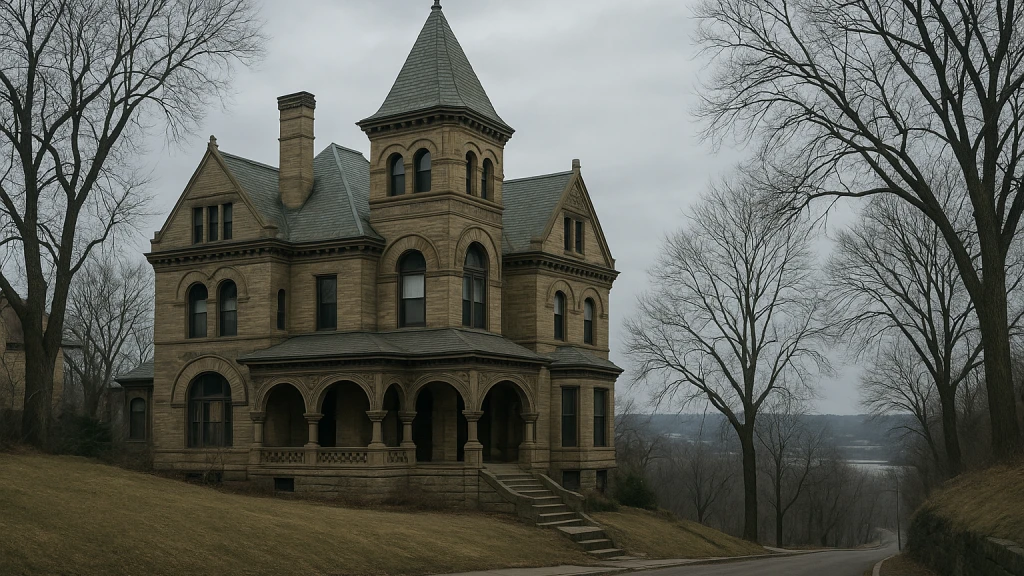
Mold in Dayton's Bluff's historic homes
Dayton's Bluff and the greater East Side hold some of the oldest housing in Saint Paul — 19th-century homes, many in the Dayton's Bluff Historic District, perched on the bluff above downtown and the river in the 55106 and 55101 ZIPs. The age of these homes is the defining factor for mold. We're talking about houses with limestone and rubble-stone cellars, original or minimally updated plumbing, generations of patch-and-repair work, and the slow chronic moisture that accumulates in a building that's been standing for 130 years or more. East Side calls are very often about long-standing dampness that a new owner has just discovered or finally decided to deal with.
The limestone cellars are the heart of it. Saint Paul sits on limestone, and many of these old East Side homes have cellars cut into or built from it — cool, damp, porous spaces that wick groundwater and stay humid year-round. They were built for storage and utilities, not living, and they release moisture upward into the house continuously. When one gets finished into living space or used for storage, the trapped moisture grows mold reliably. Our basement and cellar mold removal page addresses these old stone-and-limestone spaces directly.
Aging plumbing and slow leaks
Homes this old frequently still have aging galvanized, cast-iron, or even older plumbing, and slow leaks inside walls and under floors are a leading hidden mold source on the East Side. A pinhole drip in an old supply line, a corroded drain, or a leaking fixture can keep a wall cavity damp for months without any obvious sign beyond an eventual smell or stain. Tracing these takes patience and the right tools, which is exactly what the independent inspectors in our network bring. Our inspection and testing page explains the process.
Bluff-top drainage and groundwater
The bluff setting affects drainage in complicated ways. Water moving through the bluff soils, combined with the limestone bedrock and the area's old or undersized drainage, can keep cellars damp and push groundwater into foundations during thaw and heavy rain. Seepage at the base of stone and limestone walls is common, and standing water after a melt isn't unusual in the lowest cellars. Both feed mold once temperatures rise, so managing drainage and adding a sump where needed is often part of the real fix. Our water damage page covers wet-cellar response.
Older roofs, attics, and winter
The East Side's old homes get the full slate of cold-climate winter problems too: ice dams on steep century-old roofs, attic condensation, and rim-joist frost. Decades-old roofs and original attic ventilation often aren't up to a modern Minnesota winter, and the result is water finding its way into ceilings, walls, and attics, then growing mold come spring. A home this old can have moisture problems at the cellar and the attic simultaneously, driven by entirely different causes.
How we help East Side homeowners
Saint Paul Mold Remediation is a free matching service. We connect you with licensed, independent mold professionals who know Dayton's Bluff and the East Side — the limestone cellars, the old plumbing, the bluff-top drainage — and who will diagnose honestly and quote fairly. We don't do the work and there's no cost to you for the match. Because many of these are older, more involved jobs, our cost guide is a useful starting point. When you're ready, tell us about your home and we'll get you connected with a trusted local pro.